
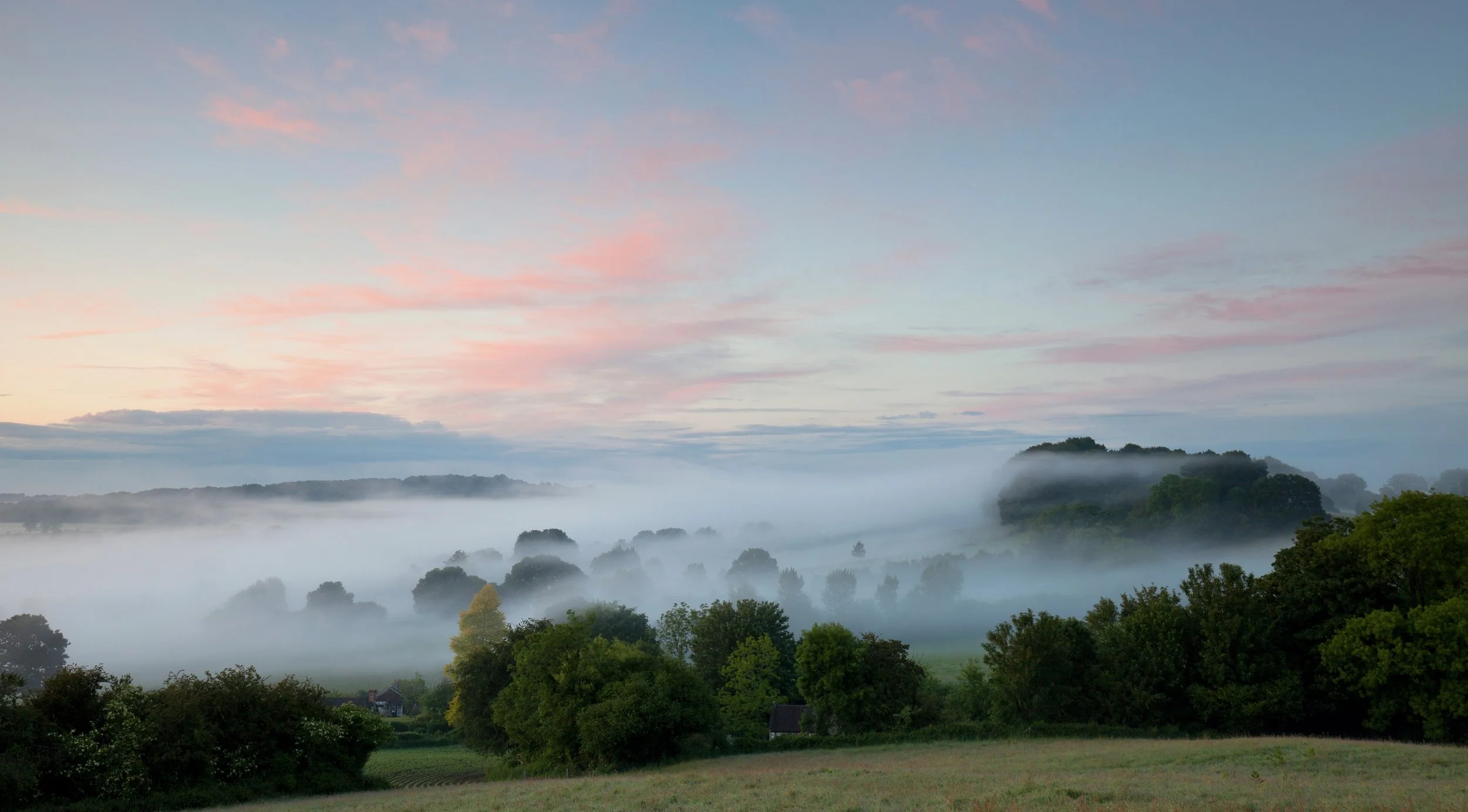
Restoring nature in the chalk valleys of southern Wiltshire
About Sutton Mead
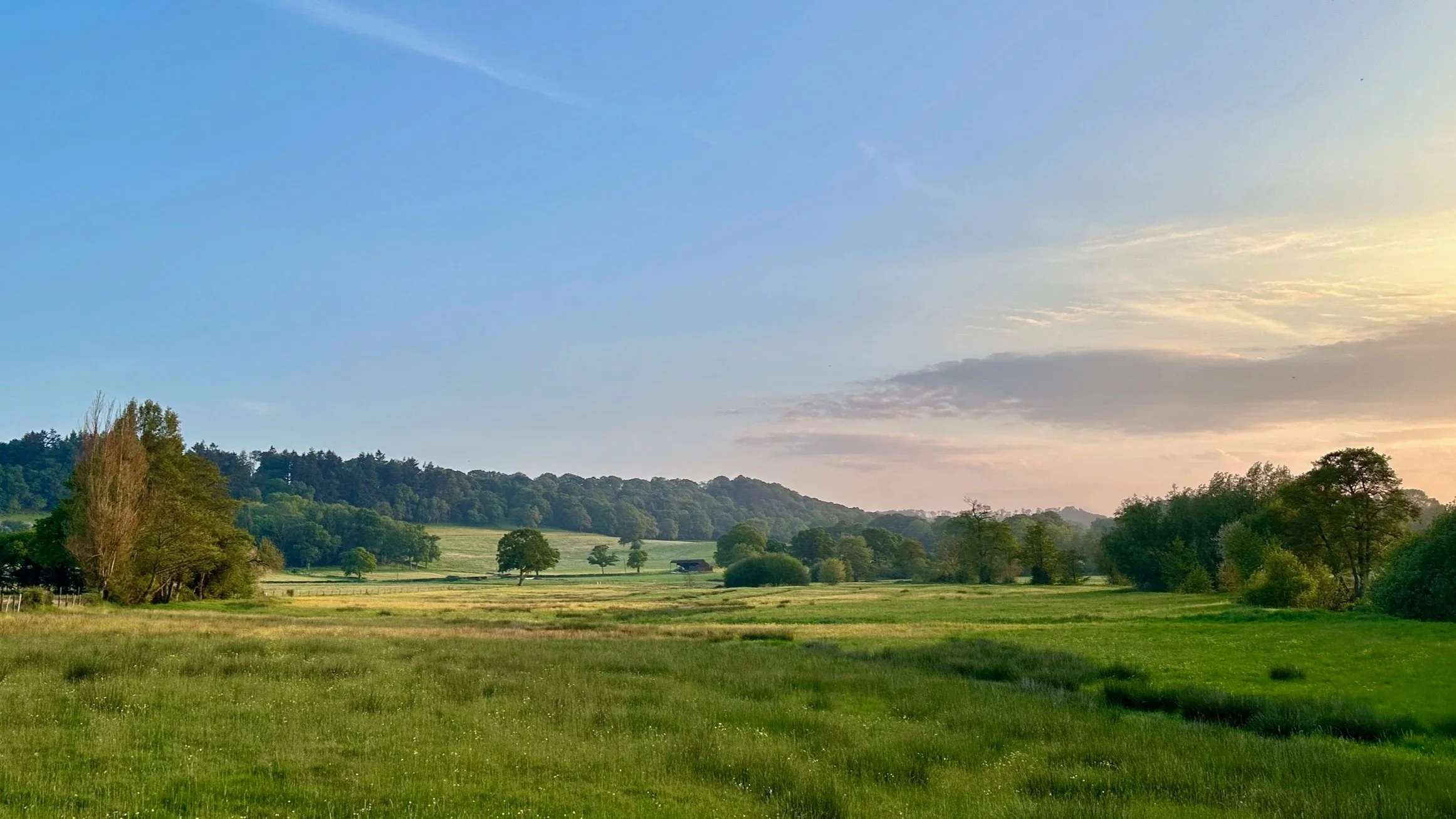
Sutton Mead is a 95-acre family-run farm and nature restoration project in the village of Sutton Mandeville, in the Nadder Valley of southern Wiltshire.
For generations the land was managed mainly as sheep pasture. Today, it is being carefully restored into a richer and more diverse landscape through woodland planting, wetland creation, and the restoration of species-rich meadows. Farming remains central to the project, with grazing animals helping restore habitats while continuing to produce food from the land.
Sutton Mead lies within the Cranborne Chase National Landscape and its International Dark Sky Reserve, in one of southern England's most important chalk river catchments. The River Nadder flows through the property and forms part of a Site of Special Scientific Interest (SSSI) and Special Area of Conservation (SAC), placing Sutton Mead at the heart of one of the country's distinctive chalk valley landscapes.
This website offers a simple introduction to Sutton Mead, the restoration work taking place on the land, and opportunities to work with us, including through Biodiversity Net Gain (BNG).
The Land
Woodland
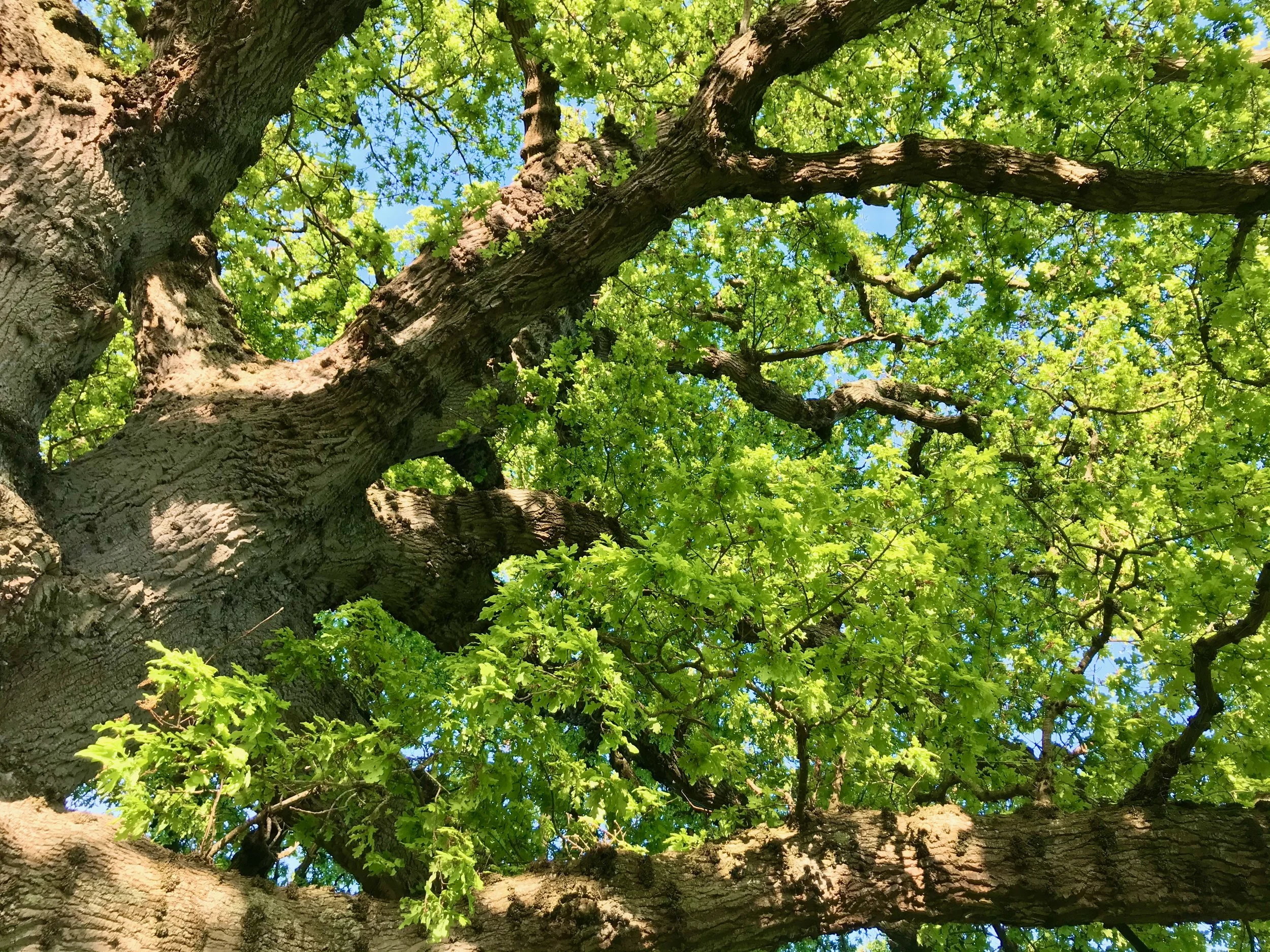
The woodland at Sutton Mead is being managed to create a richer variety of habitats. Standing and fallen deadwood is left in place to support birds, insects, fungi, and other wildlife, open glades and woodland edges are being restored, and invasive rhododendron and waste from former pheasant shoots are being removed, allowing native plants to recover naturally.
Healthy woodland is constantly changing. Trees grow, die, fall, and regenerate, creating new opportunities for wildlife. Our aim is to help these natural processes return, creating woods that are richer, more resilient, and more alive.
Over time, we also hope to double the amount of woodland on the land through a combination of natural regeneration and new planting. By reconnecting existing woodland areas, we can create wildlife corridors that help animals and plants spread more easily through the Nadder Valley.
Woodland restoration has always been one of the driving ambitions behind the Sutton Mead project.
Water, Wetland & Springs
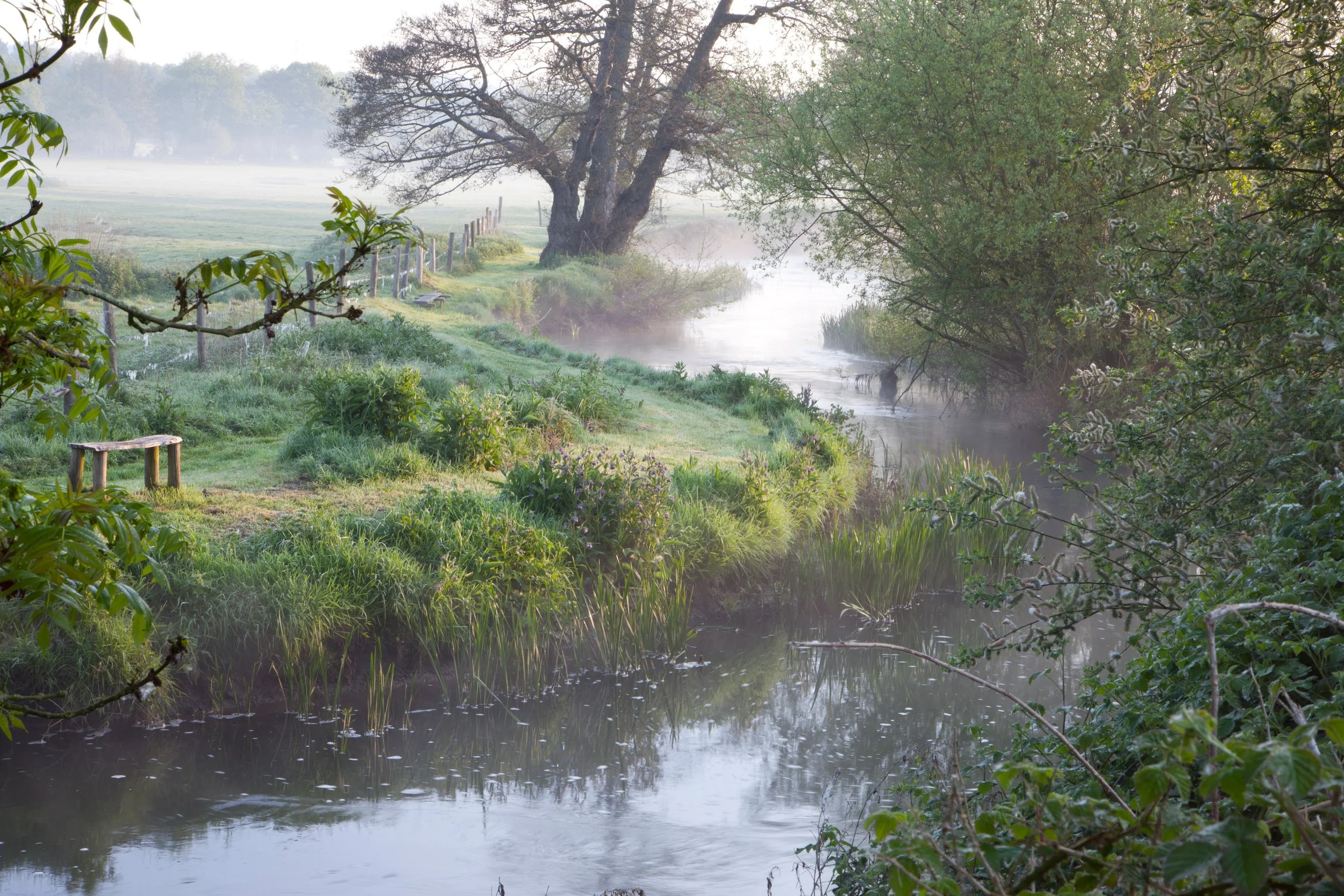
Photo by Chris Lock Photography
The River Nadder flows through Sutton Mead, linking the land to one of southern England's most important chalk river systems. The site is also fed by a series of natural chalk springs that have shaped this part of the valley for centuries and provide the conditions for a rich variety of wetland habitats.
These springs and seasonal water flows are allowing the old water meadows to be restored into a mosaic of ponds, scrapes, wet grassland, and flooded woodland. Over time, these habitats will provide homes for amphibians, fish, wetland birds, aquatic insects, and many other species.
Restoring these wetlands will also help hold water within the landscape for longer, slowing its movement downstream while bringing back habitats that have become increasingly rare across the British countryside.
Water is at the heart of Sutton Mead, and restoring these wetlands is one of the defining parts of the wider vision for the land.
Farming with Nature
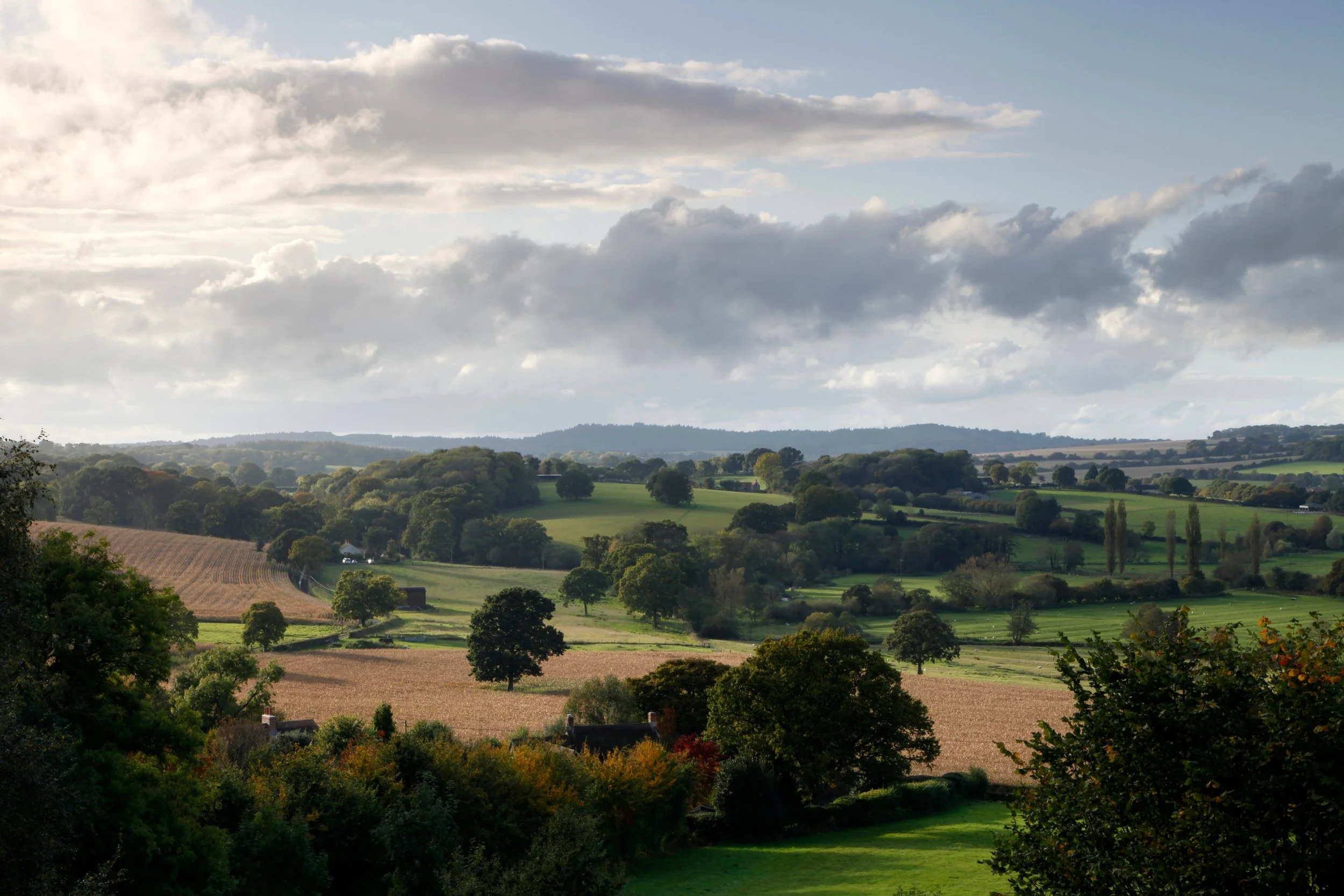
Photo by Chris Lock Photography
Much of the former pasture is being restored into a mosaic of species-rich meadows, scattered scrub, orchards, hedgerows, and lightly wooded pasture. Together, these habitats were once a familiar part of the Nadder Valley and supported an extraordinary variety of wildlife.
The land will be managed through low-intensity grazing using traditional breeds of cattle, sheep, and pigs. As the animals graze, browse, root, and move across the land, they create a changing pattern of grass, scrub, and open ground that provides food and shelter for insects, birds, mammals, reptiles, and wildflowers. At the same time, they continue the long tradition of producing food from the land.
New hedgerows and orchards will help reconnect different parts of the site, providing shelter, nesting places, and corridors that allow wildlife to move more easily across the landscape.
Rather than separating farming from nature, our aim is to bring them back together in a living countryside where wildlife, grazing animals, and people continue to shape the landscape together.
About Us
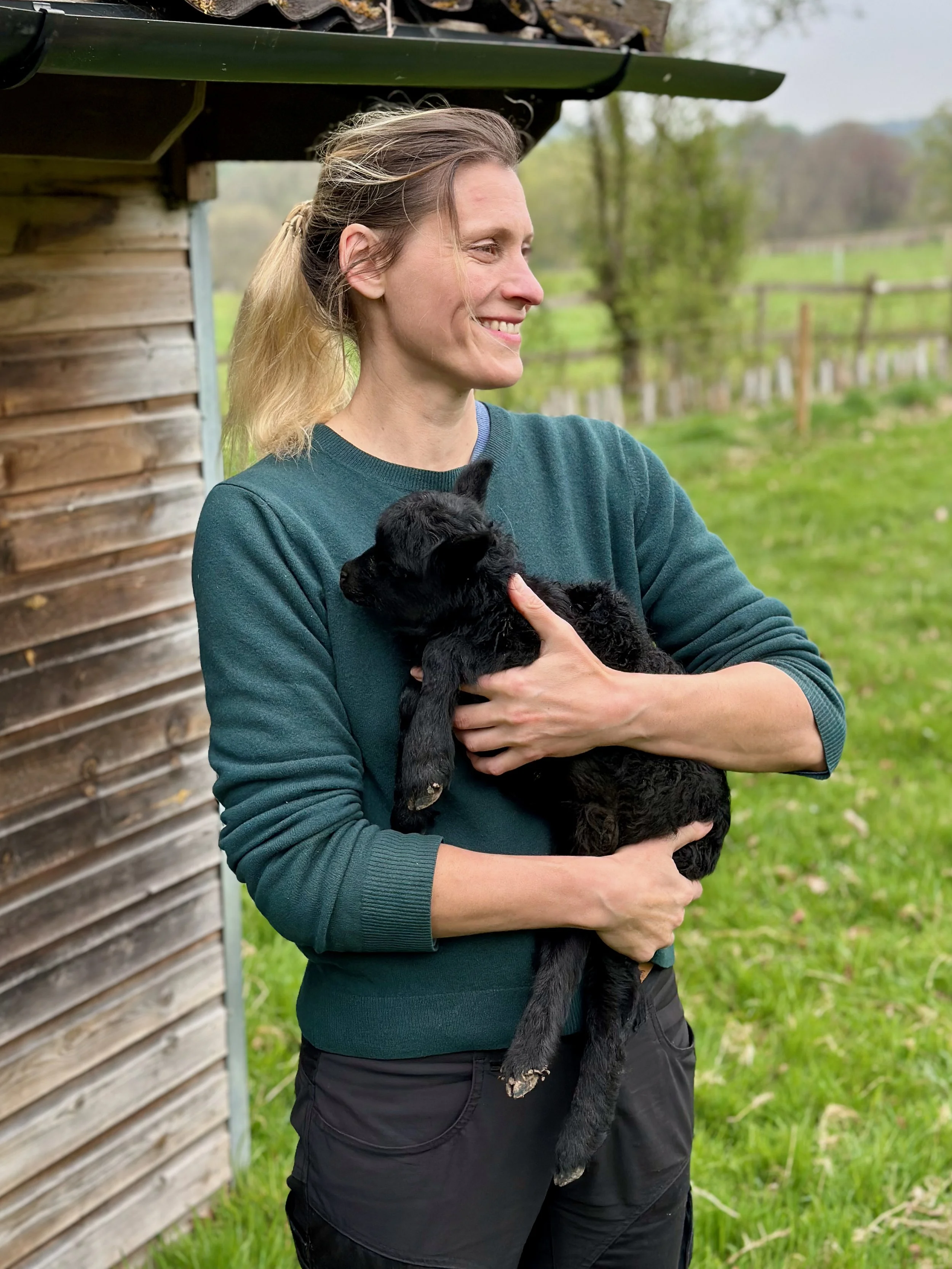
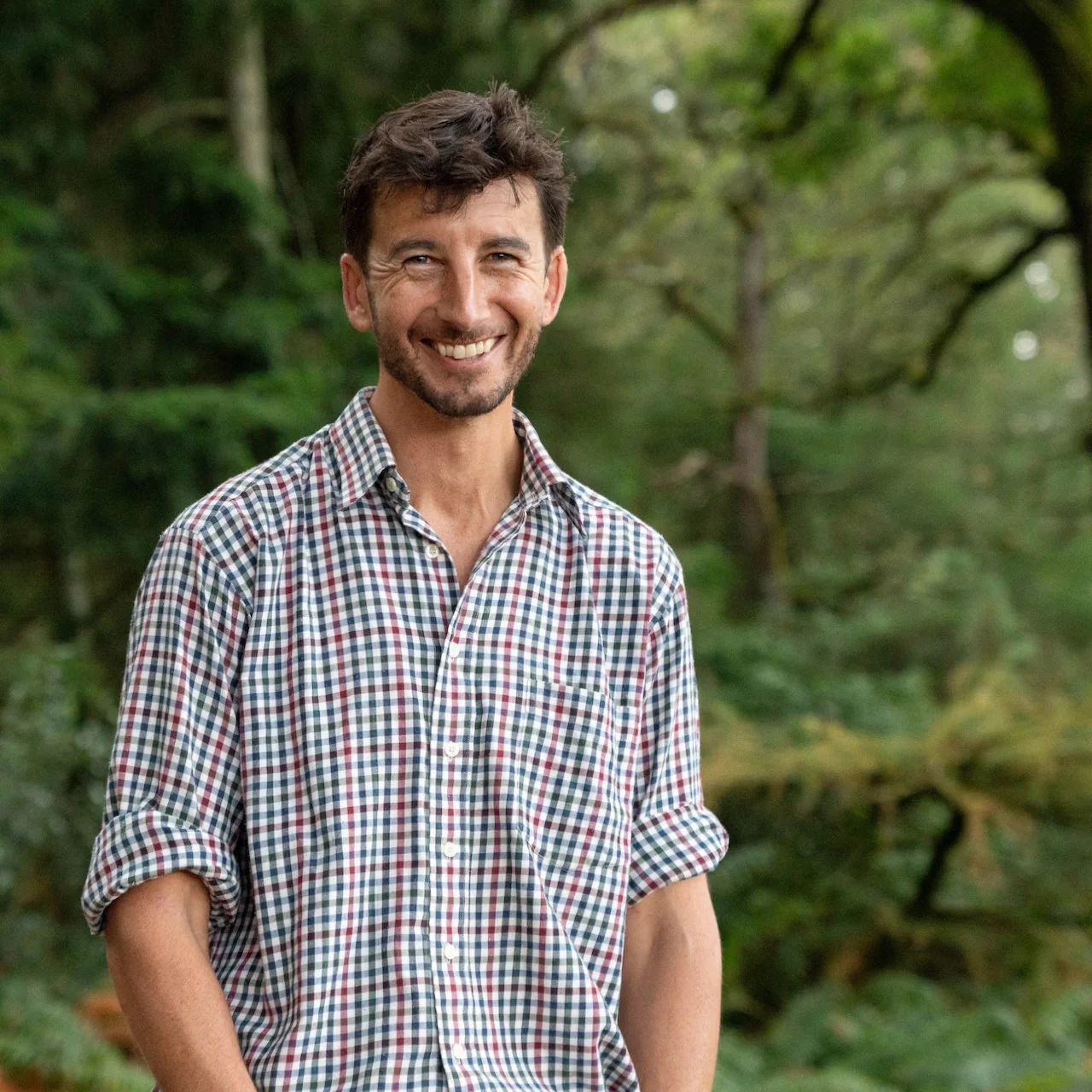
Photo by Sophie Bolesworth
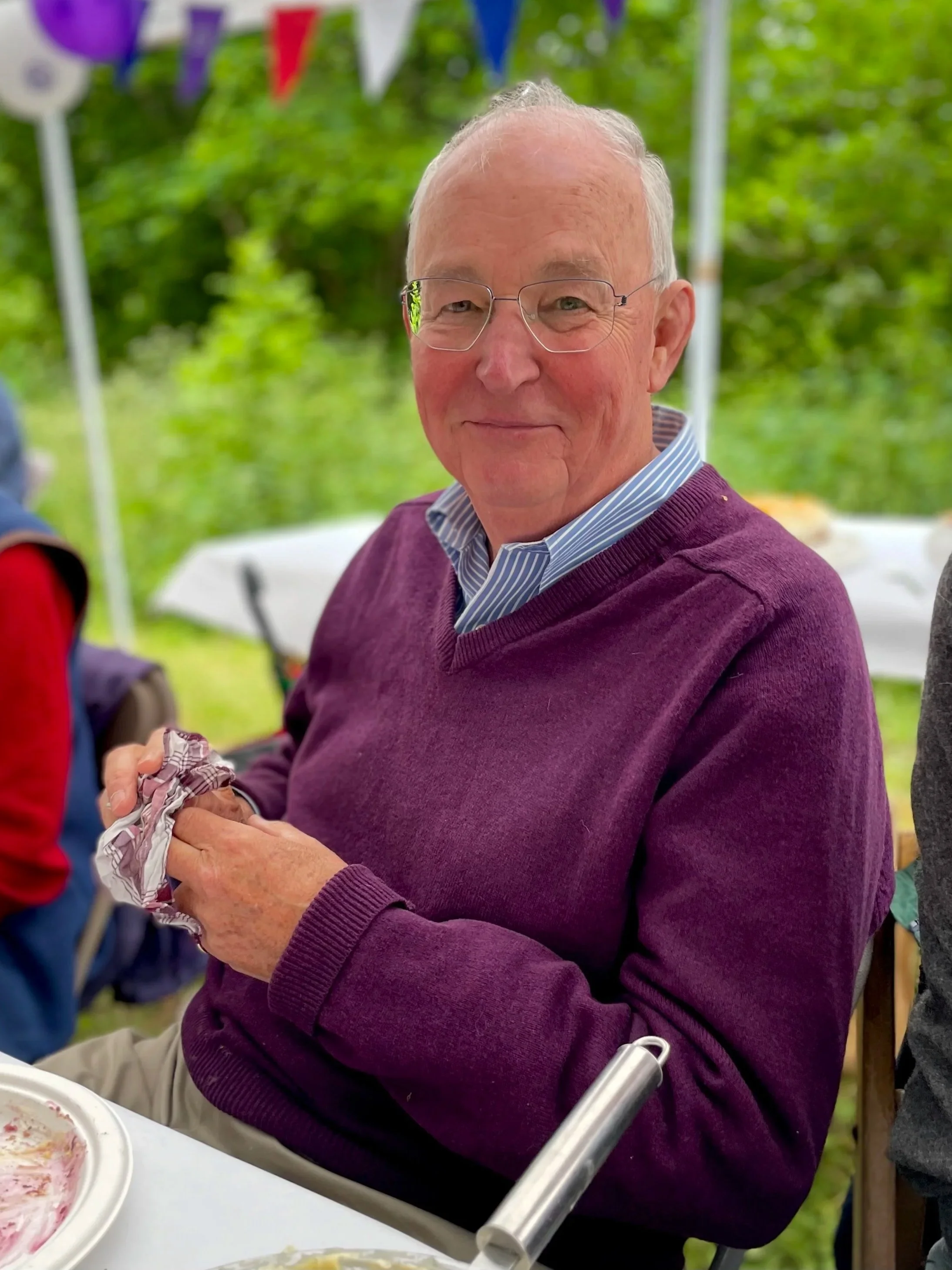
Sutton Mead is managed by Eeva Kuisma, Nick Radford, and Steve Radford.
Eeva and Nick live on site in a 500-year-old cottage at the centre of the land. Both are trained biologists with professional backgrounds in wildlife conservation and ecological management, and Eeva is also a qualified veterinarian. Together they bring many years of experience in wildlife conservation, ecology, and land management in the UK and internationally.
Sutton Mead is not managed as a short-term environmental project, but as a long-term commitment to restoring and caring for the land. The people managing Sutton Mead live and work on the property, so decisions are guided by its day-to-day condition and long-term health rather than short-term targets.
Restoration takes time. At Sutton Mead, changes are made gradually, allowing the land to respond and develop over the years rather than trying to force rapid results.
Biodiversity Net Gain
Biodiversity Net Gain (BNG) is a system introduced in England that requires most new housing developments to leave biodiversity in a measurably better state than before development takes place. Where this cannot be achieved on the development site itself, developers can purchase BNG units that fund the creation and long-term management of wildlife habitats elsewhere.
At Sutton Mead, BNG helps fund the long-term restoration of the land. Habitat creation across the site will generate BNG units through the restoration of woodland, wetland, meadow, scrub, hedgerow, orchard, and wood pasture habitats within a nationally important chalk river landscape.
Ecological surveys and habitat planning are being carried out in partnership with Bidwells, one of the UK's leading environmental and rural property consultancies.
If you are interested in purchasing BNG units at Sutton Mead, please click below to find out more.